To-Read List
87 books queued · 5 on your shelf
I
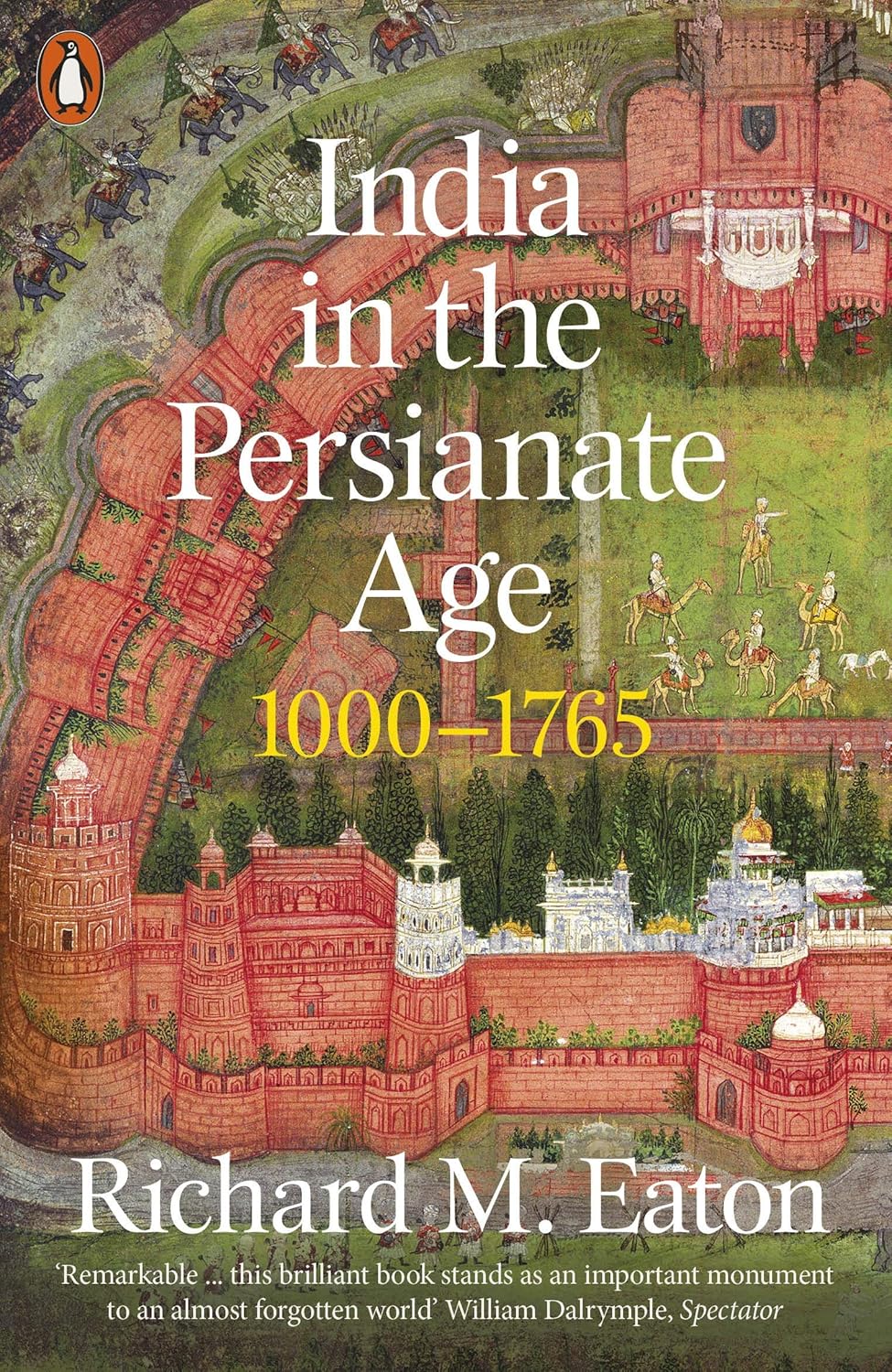
India in the Persianate Age: 1000–1765
Non-Fiction
Indian HistoryPersianate CultureMedieval India
Richard M. Eaton's book chronicles India's history from 1000 to 1765, focusing on the integration of Persianate culture introduced by Afghan dynasties from Iran and Central Asia. It explores the dynamic interaction between this transregional Persianate world—shaping language, cuisine, attire, religion, rulership, warfare, science, art, music, and architecture—and India's flourishing Sanskrit culture. Covering the Delhi Sultanate, Mughal Empire, and regional states, Eaton challenges traditional Hindu-Muslim periodizations, emphasizing cultural synthesis and assimilation.
South Asia
T
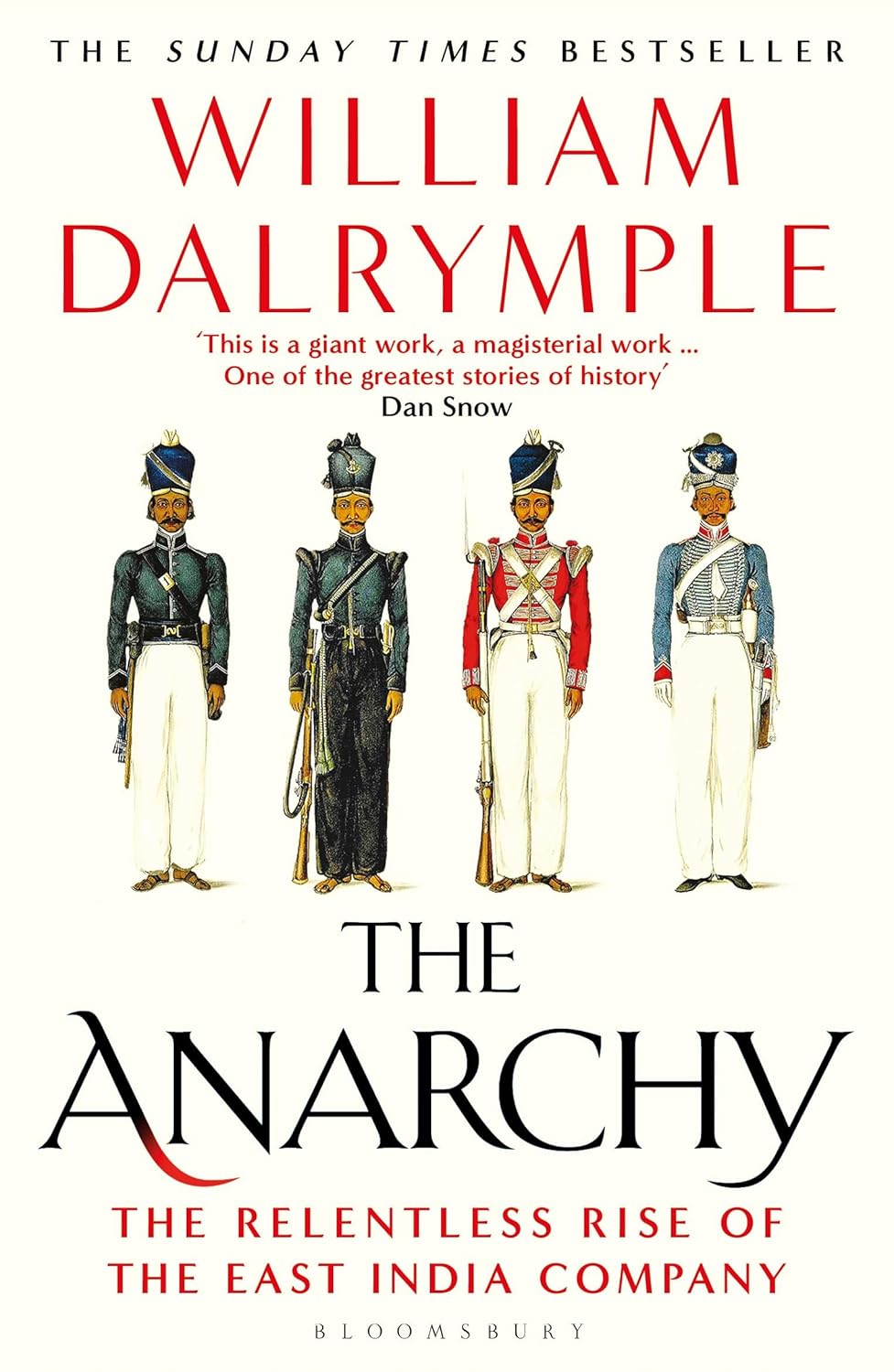
The Anarchy: The Relentless Rise of the East India Company
Non-Fiction
HistoryColonialismEast India Company
The Anarchy chronicles the dramatic rise of the East India Company from a trading entity to a colonial power that conquered much of India. In the 18th century, amid the Mughal Empire's collapse, the Company built a massive private army, defeated local rulers, and governed vast territories from a London boardroom, marking the first instance of corporate rule over a subcontinent.
India, Asia
P
Pakistan at the Crossroads: Domestic Dynamics and External Pressures
Non-Fiction
Politics and GovernmentInternational RelationsHistory
Top international scholars assess Pakistan's politics, economics, and challenges faced by civil and military leaders. Contributors examine internal threats, civil-military tensions, political party strategies, law enforcement reform, judicial activism, border conflicts, economic issues, and diplomatic relations with India, China, Iran, Saudi Arabia, Afghanistan, and the United States.
Asia, South Asia
A
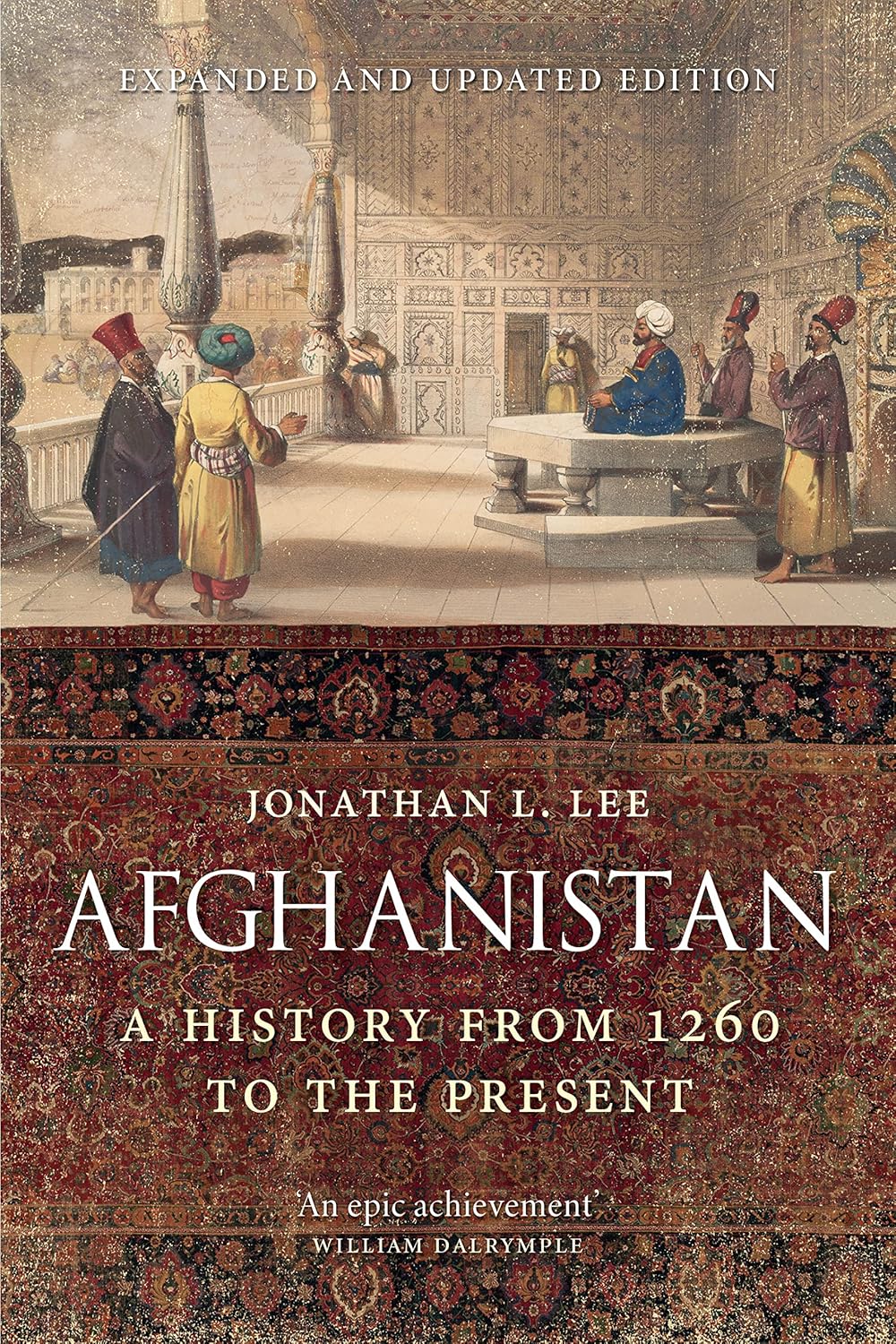
Afghanistan: A History from 1260 to the Present
Non-Fiction
HistoryAfghanistanPolitics
This authoritative history traces Afghanistan from its earliest state formation in 1260 to the present, detailing the rise of the Durrani monarchy, internal power struggles, foreign relations, and impacts of interventions like the War on Terror. Drawing on Persian histories, Afghan memoirs, British archives, CIA reports, and Wikileaks, Jonathan L. Lee challenges Western misconceptions and contextualizes modern conflicts within centuries of tribal, ethnic, and regional dynamics.
Asia, Middle East
I
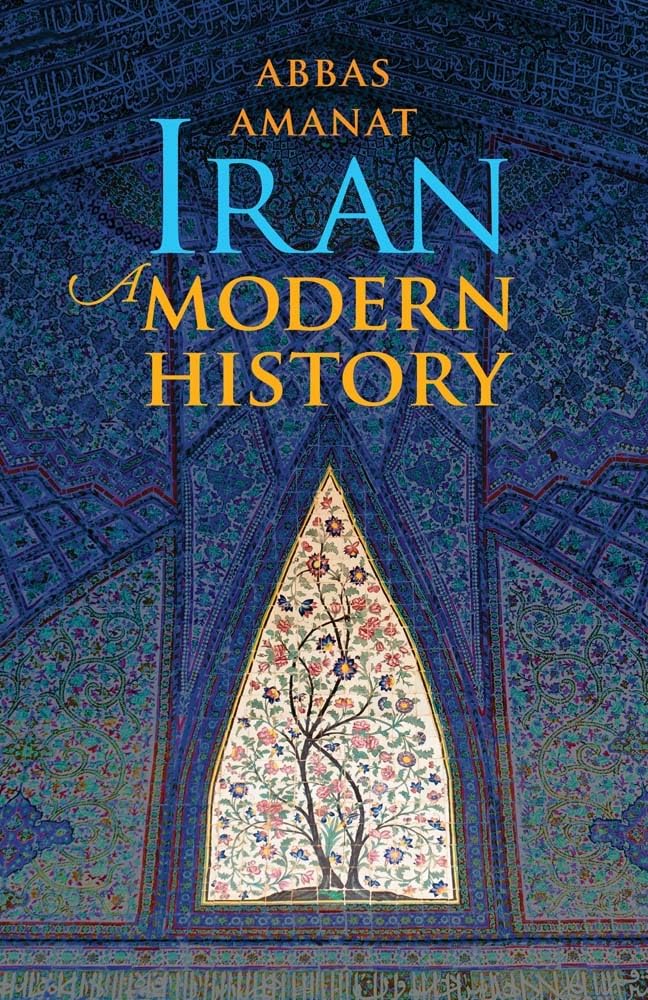
Iran: A Modern History
Non-Fiction
Iranian HistoryMiddle Eastern StudiesPolitical History
Abbas Amanat's comprehensive history spans five centuries of Iran from the Safavid era to the 2009 Green Movement. It examines dynastic shifts, revolutions, civil wars, foreign occupations, and the rise of the Islamic Republic, blending chronological and thematic approaches. The narrative emphasizes political history while exploring culture, religion, economy, society, and identity, drawing on extensive scholarship with a focus on the twentieth century.
Middle East
S
Stalin's Wars: From World War to Cold War, 1939–1953
Non-Fiction
HistoryMilitary HistoryPolitical Biography
A comprehensive reassessment of Joseph Stalin's role as a wartime leader and political strategist from 1939 to 1953. Geoffrey Roberts draws on extensive Soviet archival sources to challenge conventional views of Stalin, examining his military leadership during World War II, his diplomatic negotiations with Allied leaders Churchill and Roosevelt, and his pivotal role in shaping the postwar order and the origins of the Cold War. The book offers a nuanced portrait of Stalin as a complex and effective, though brutal, war leader.
Europe, Asia
J
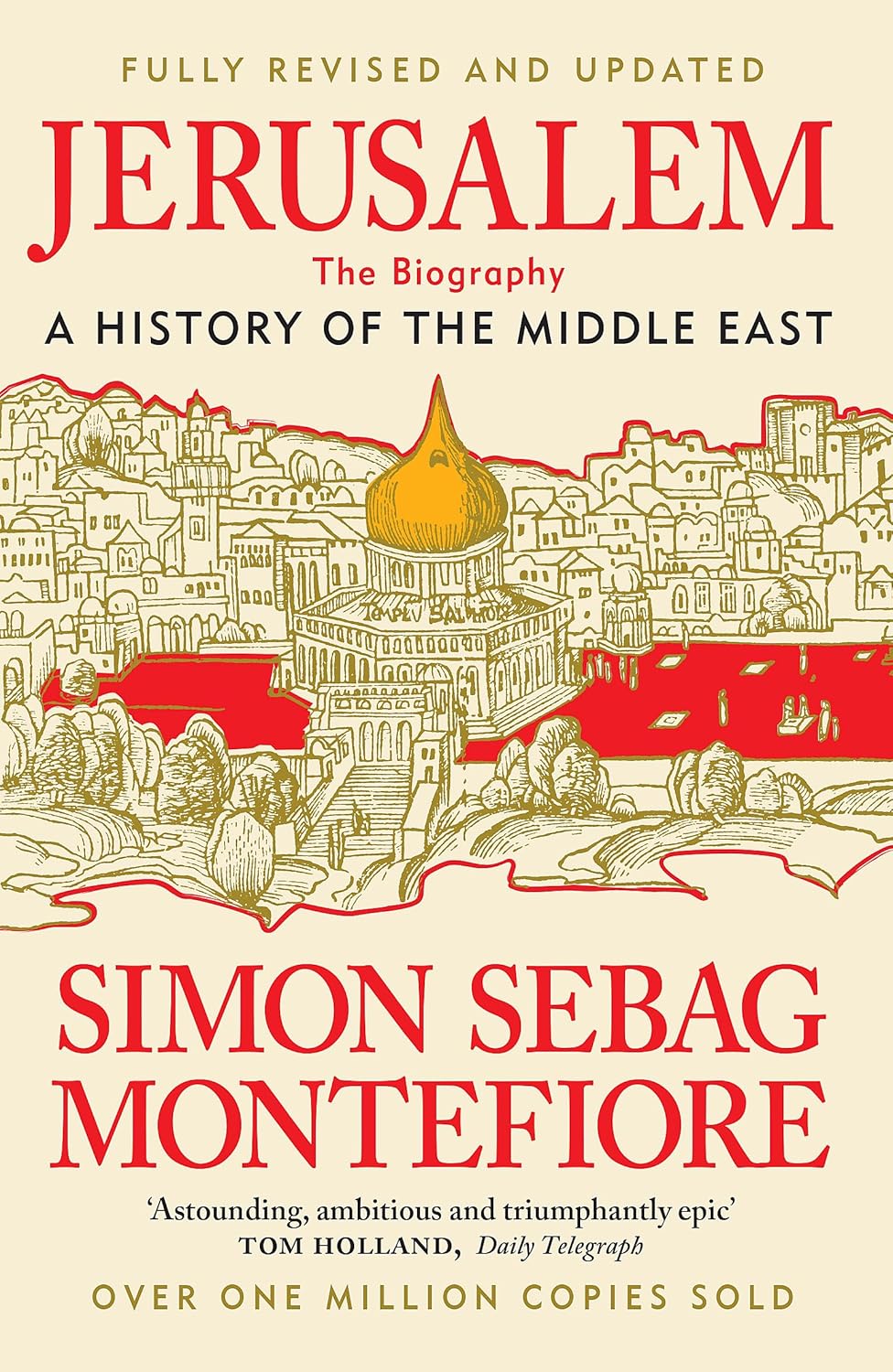
Jerusalem: The Biography
Non-Fiction
HistoryReligionBiography
A sweeping narrative history of Jerusalem, tracing the city's story from King David to the modern era. Montefiore chronicles the religious, political, and cultural forces that shaped this sacred city, holy to Judaism, Christianity, and Islam. Drawing on new archives, letters, and diaries, the book presents a vivid account of the conquests, betrayals, and passions of the families and individuals who built and fought over Jerusalem, revealing how this small city became the center of the world's spiritual and geopolitical struggles.
Middle East, Europe
Owned
F
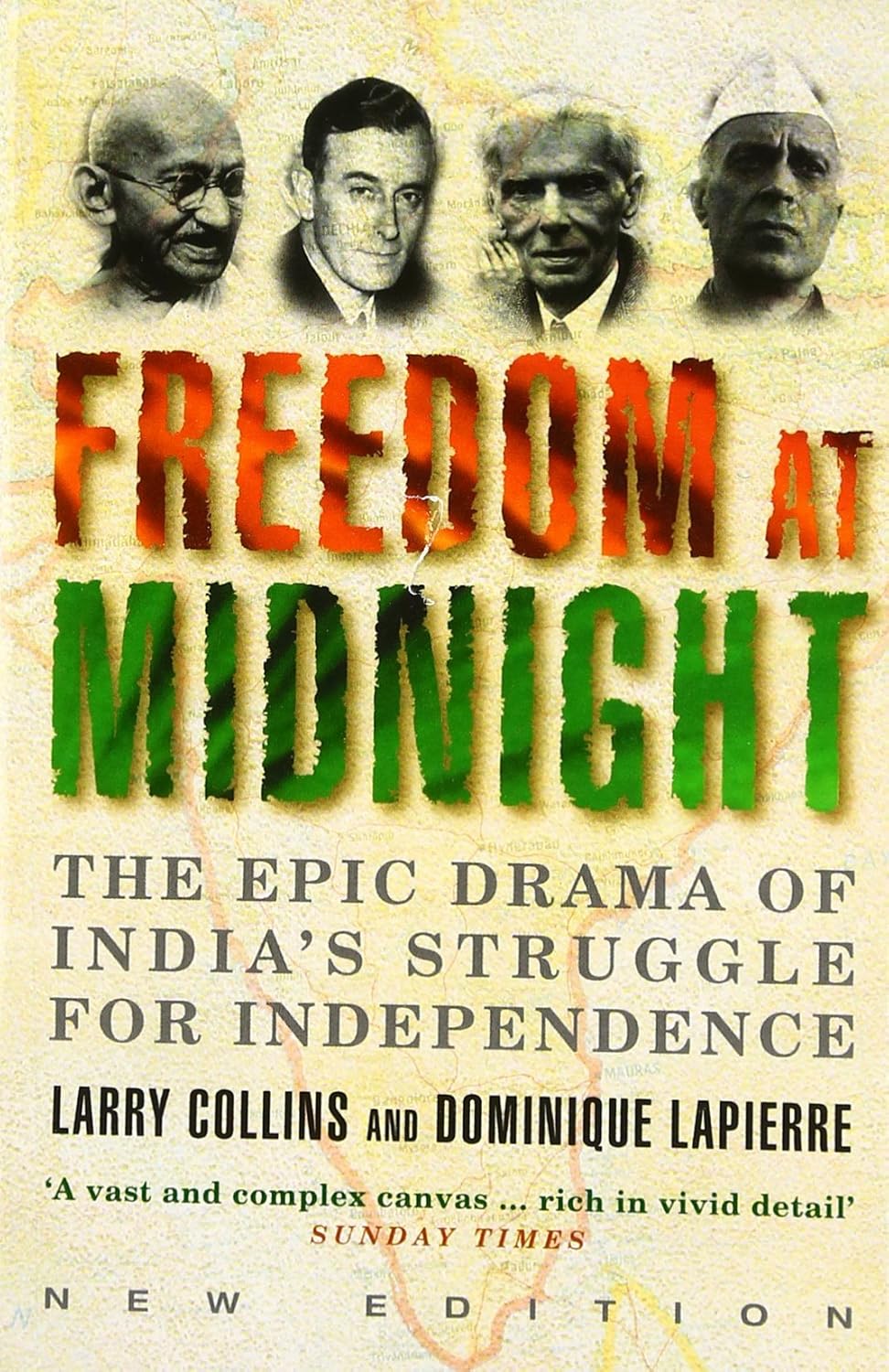
Freedom at Midnight
Non-Fiction
HistoryPoliticsIndian Independence
Freedom at Midnight is a sweeping narrative of India's independence from British rule in 1947. The book chronicles the dramatic events surrounding the transfer of power, including Lord Mountbatten's role as the last Viceroy, the negotiations with Gandhi, Nehru, and Jinnah, the tragic partition of India and Pakistan, and the communal violence that followed. Drawing on extensive interviews and research, the authors vividly portray the political intrigue, human suffering, and triumph that accompanied the birth of the world's largest democracy.
South Asia, Europe
T
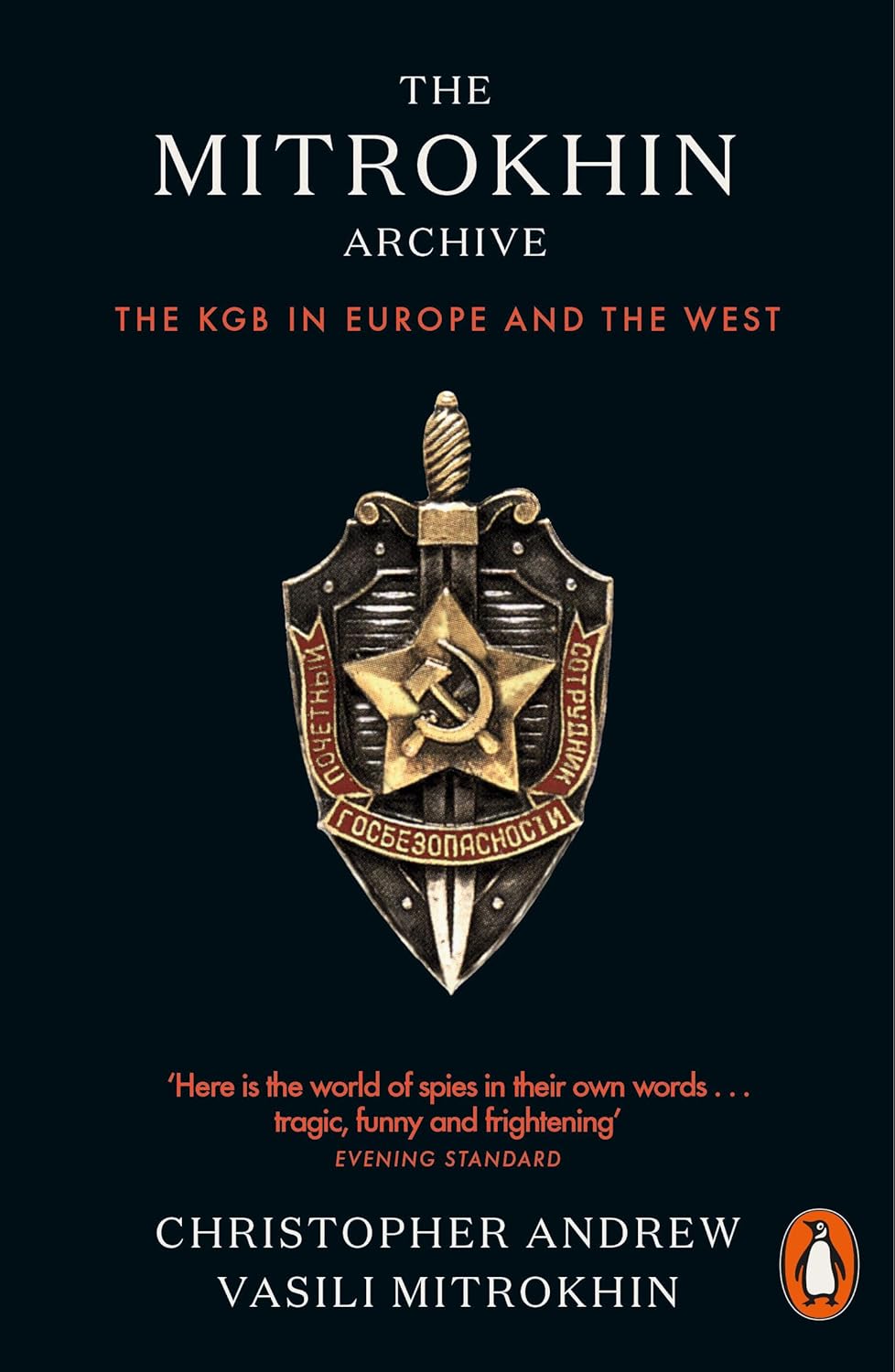
The Mitrokhin Archive: The KGB in Europe and the West
Non-Fiction
Intelligence historyCold WarSoviet espionage
A comprehensive account of KGB operations based on handwritten notes secretly compiled by senior KGB archivist Vasili Mitrokhin. The work documents Soviet intelligence activities from the 1930s to 1980s, revealing methods of espionage, infiltration, and covert operations targeting the West, including technological espionage, agent cultivation, and assassination.
Europe, Soviet Union
P
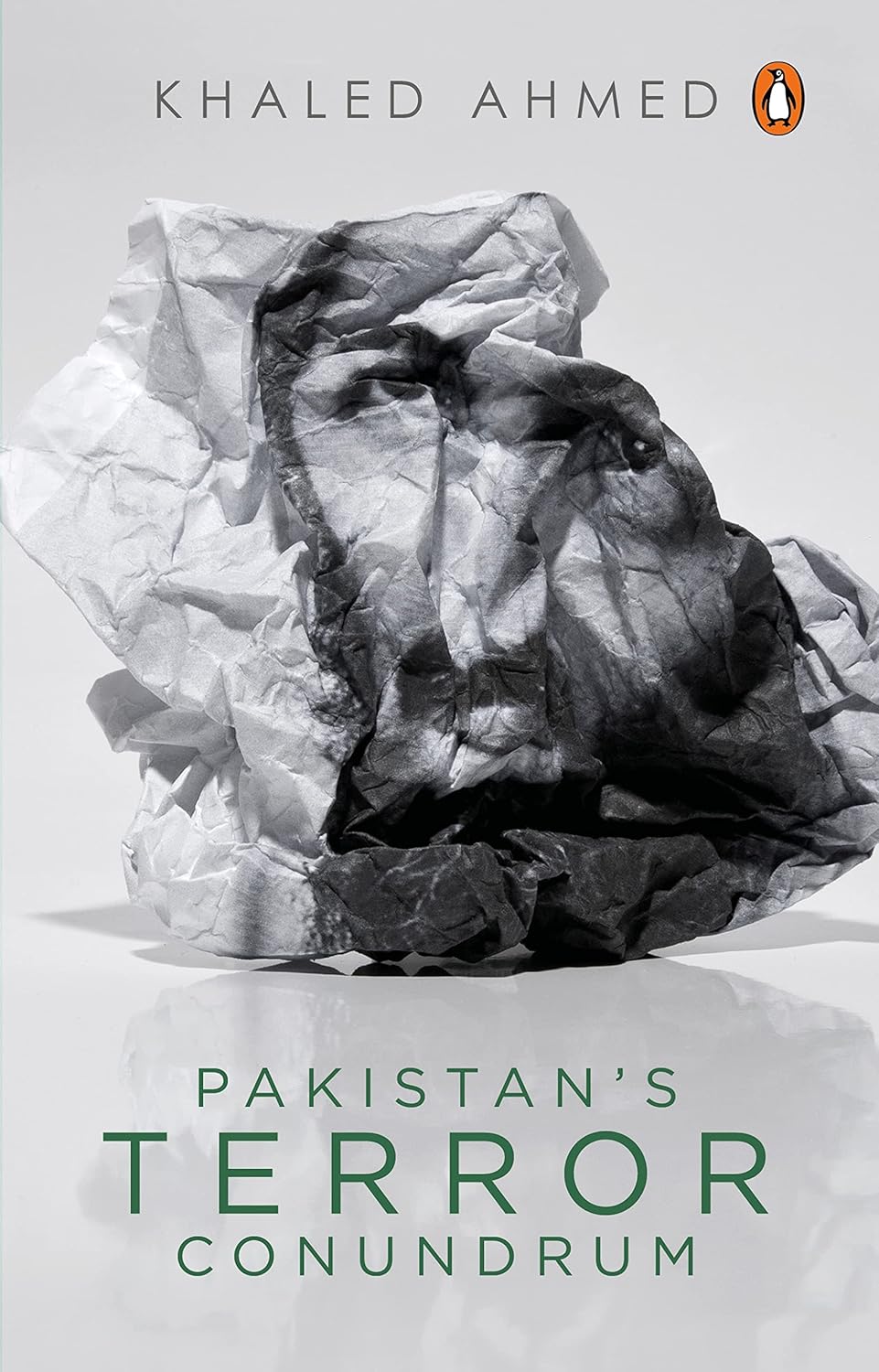
Pakistan's Terror Conundrum
Non-Fiction
TerrorismPoliticsIslamism
Senior journalist Khaled Ahmed examines Pakistan's policies on terrorism amid international pressure. Despite joining the US war on terror post-9/11, Pakistan is seen as a terrorist haven. The book explores origins and activities of terrorist groups, the state's role, and ideologies of founding figures, alongside how religion is embedded in Pakistan's political and social framework.
South Asia
G
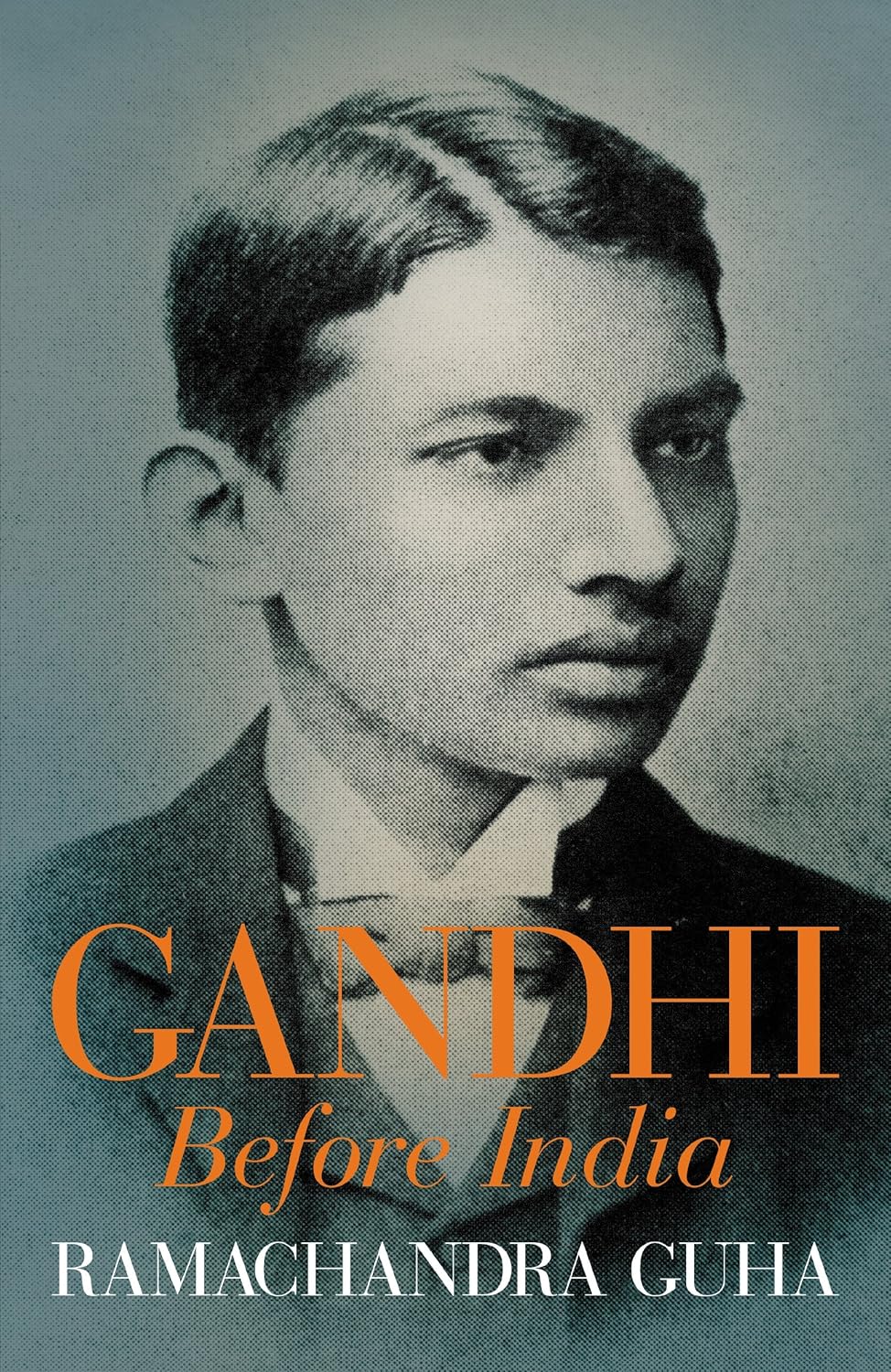
Gandhi Before India
Non-Fiction
BiographyHistoryNon-violence and Social Activism
The first volume of a two-volume biography covering Gandhi's life from birth through his 21-year period as a lawyer and civil-rights activist in South Africa, where he developed Satyagraha and transformed from a Western-trained Indian lawyer into a global leader of non-violent resistance.
India, South Africa
P
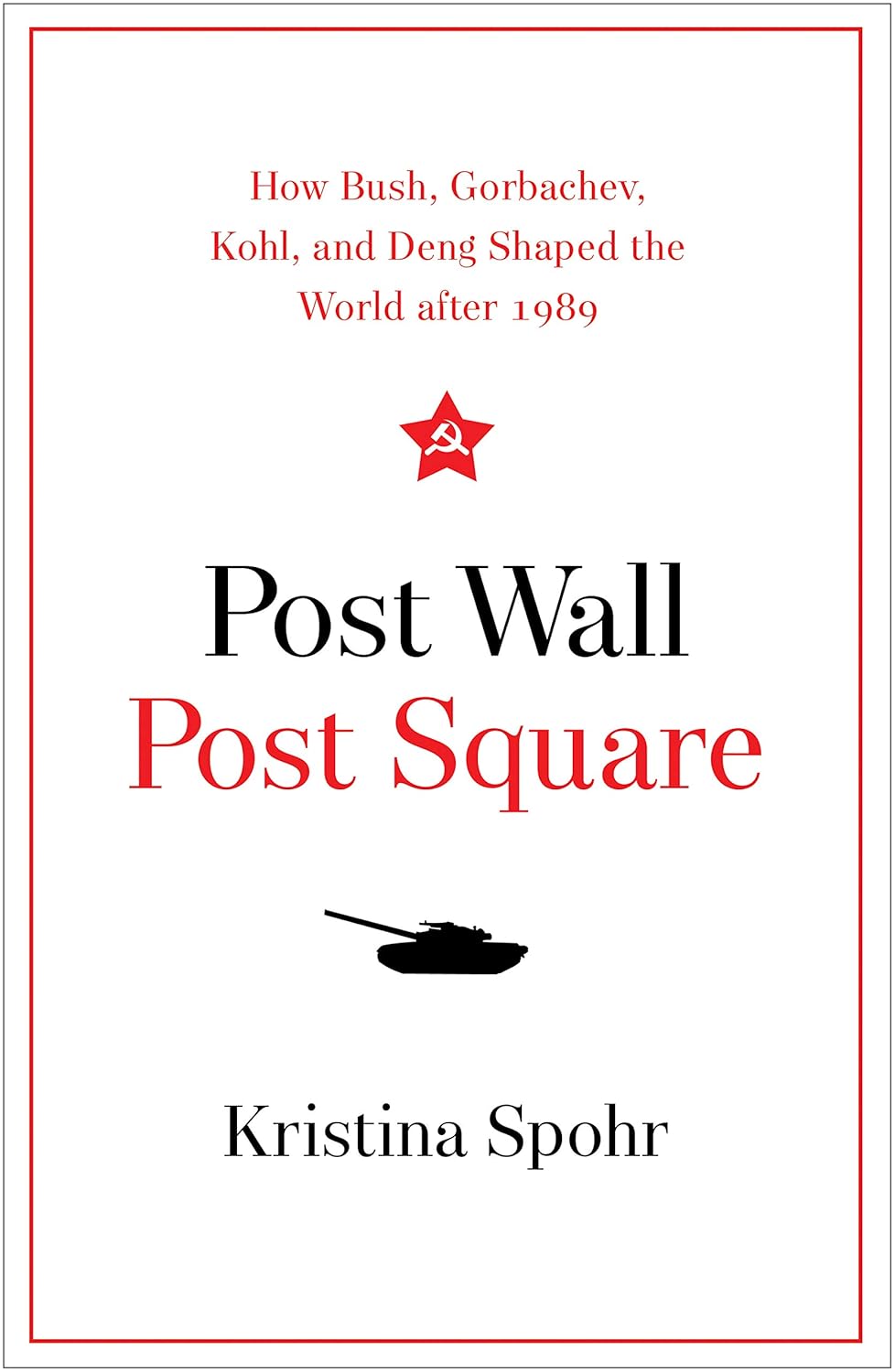
Post Wall, Post Square: How Bush, Gorbachev, Kohl, and Deng Shaped the World after 1989
Non-Fiction
HistoryCold WarInternational Relations
A historical account examining how four major world leaders—George H.W. Bush, Mikhail Gorbachev, Helmut Kohl, and Deng Xiaoping—navigated the geopolitical transformations following 1989. The book explores the peaceful end of the Cold War, the collapse of the Soviet Union, and the unification of Germany without major conflict.
Europe, Asia