To-Read List
87 books queued · 5 on your shelf
A
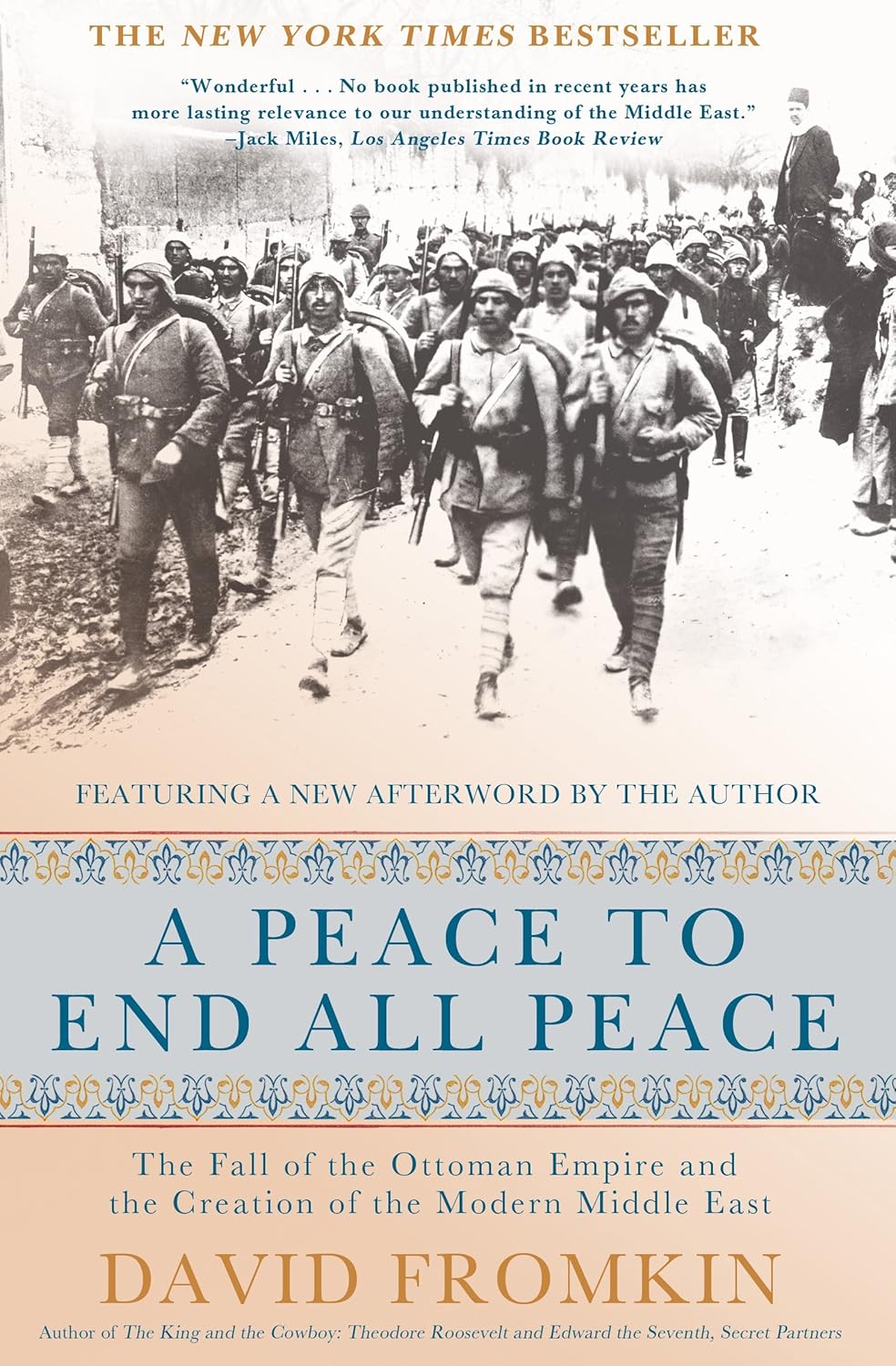
A Peace to End All Peace: The Fall of the Ottoman Empire and the Creation of the Modern Middle East
Non-Fiction
HistoryMiddle EastOttoman Empire
David Fromkin's seminal history examines how Allied powers, especially Britain, redrew the Middle East's map after World War I, leading to the Ottoman Empire's collapse. Covering 1914-1922, it details key events like the Sykes-Picot Agreement, Balfour Declaration, and conflicting promises to Arabs and Zionists, sowing seeds of modern conflicts, sectarian tensions, and instability.
Middle East, Europe
H
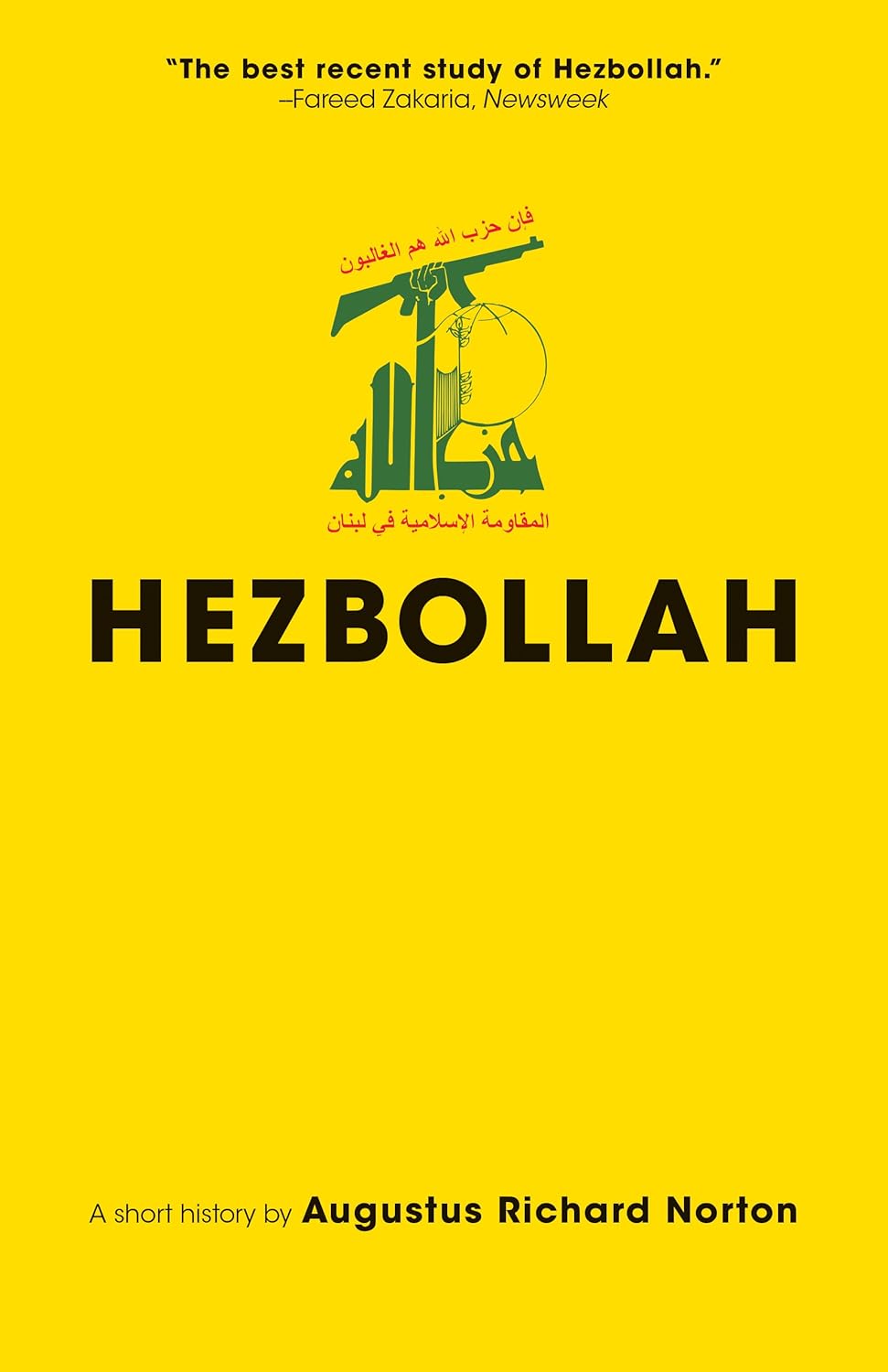
Hezbollah: A Short History
Non-Fiction
PoliticsHistoryIslamism
Augustus Richard Norton's Hezbollah: A Short History provides a balanced, nuanced analysis of the Shiite group's development from its origins with Iranian and Syrian support, through its rivalry with Amal, embrace of electoral politics, and leadership under Hasan Nasrallah. It counters simplistic stereotypes, portraying Hezbollah as a complex organization evolving from militancy toward mainstream politics amid Lebanon's volatility.
Middle East
H
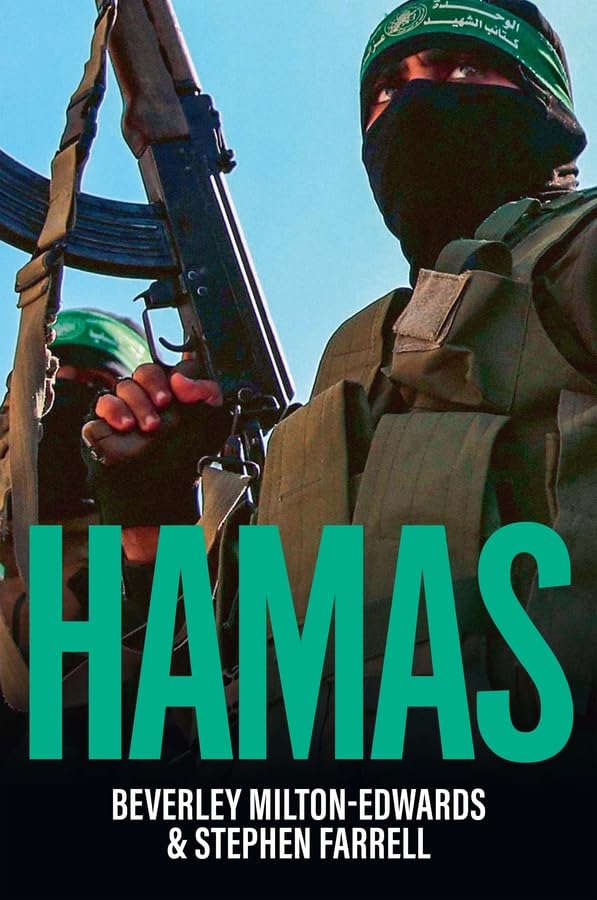
HAMAS: The Quest for Power
Non-Fiction
PoliticsIslamismTerrorism
This thoroughly revised and updated study of Hamas explores how a Palestinian offshoot of the Muslim Brotherhood rose to challenge rivals like the PLO. Declared a terrorist group yet elected to government, Hamas leveraged its Gaza base for power. Authors draw on frontline reporting, exclusive access, and interviews to trace its evolution into the key Sunni Islamist force in the Middle East.
Middle East
I
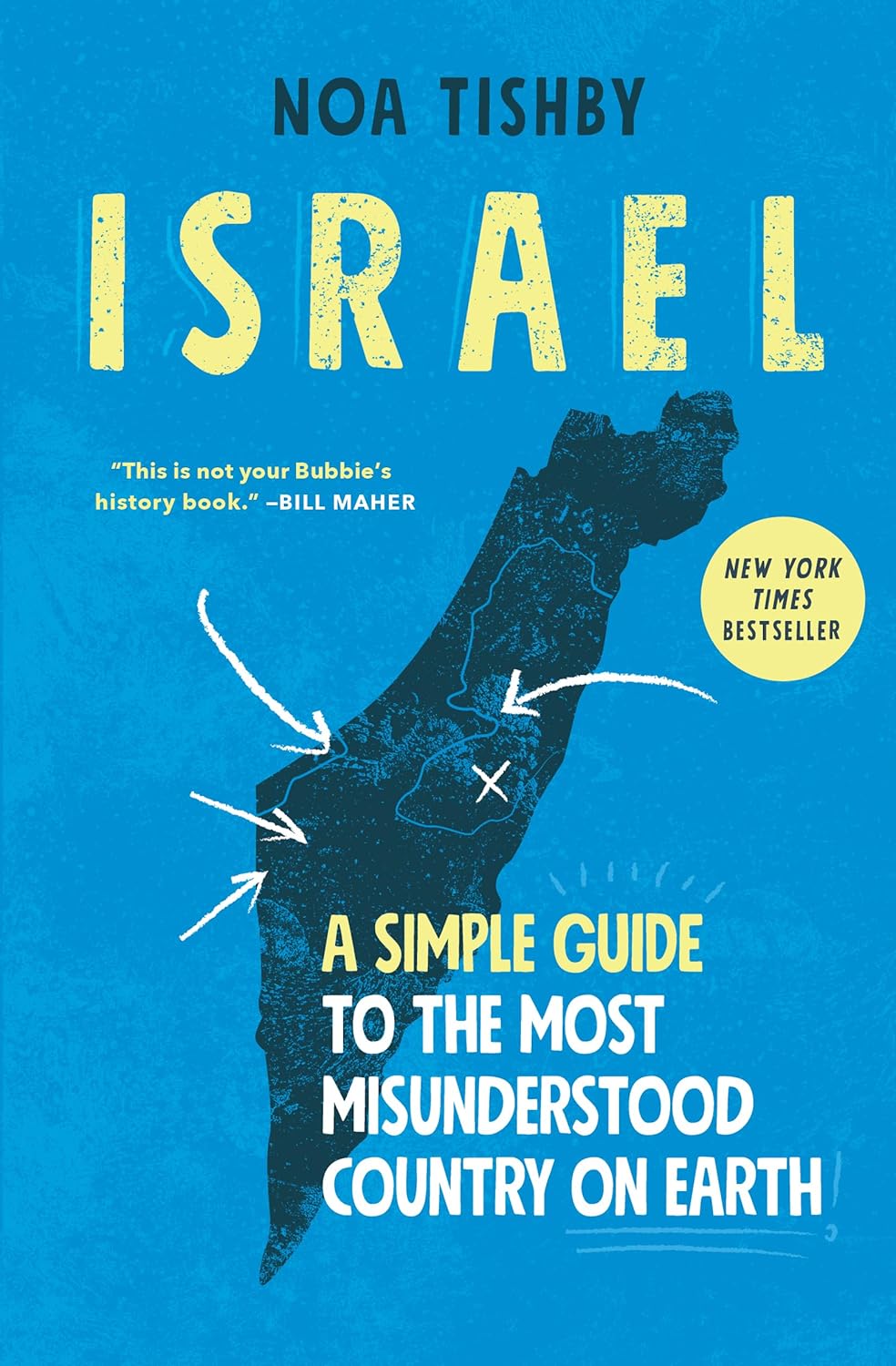
Israel: A Simple Guide to the Most Misunderstood Country on Earth
Non-Fiction
HistoryPoliticsZionism
Noa Tishby offers a chronological history of Israel from Biblical times to the present, blending bite-sized historical facts with personal family stories. She tackles misconceptions, provides context for political controversies, and refutes common anti-Israel arguments, emphasizing Israel's pursuit of peace and cultural richness.
Middle East
B
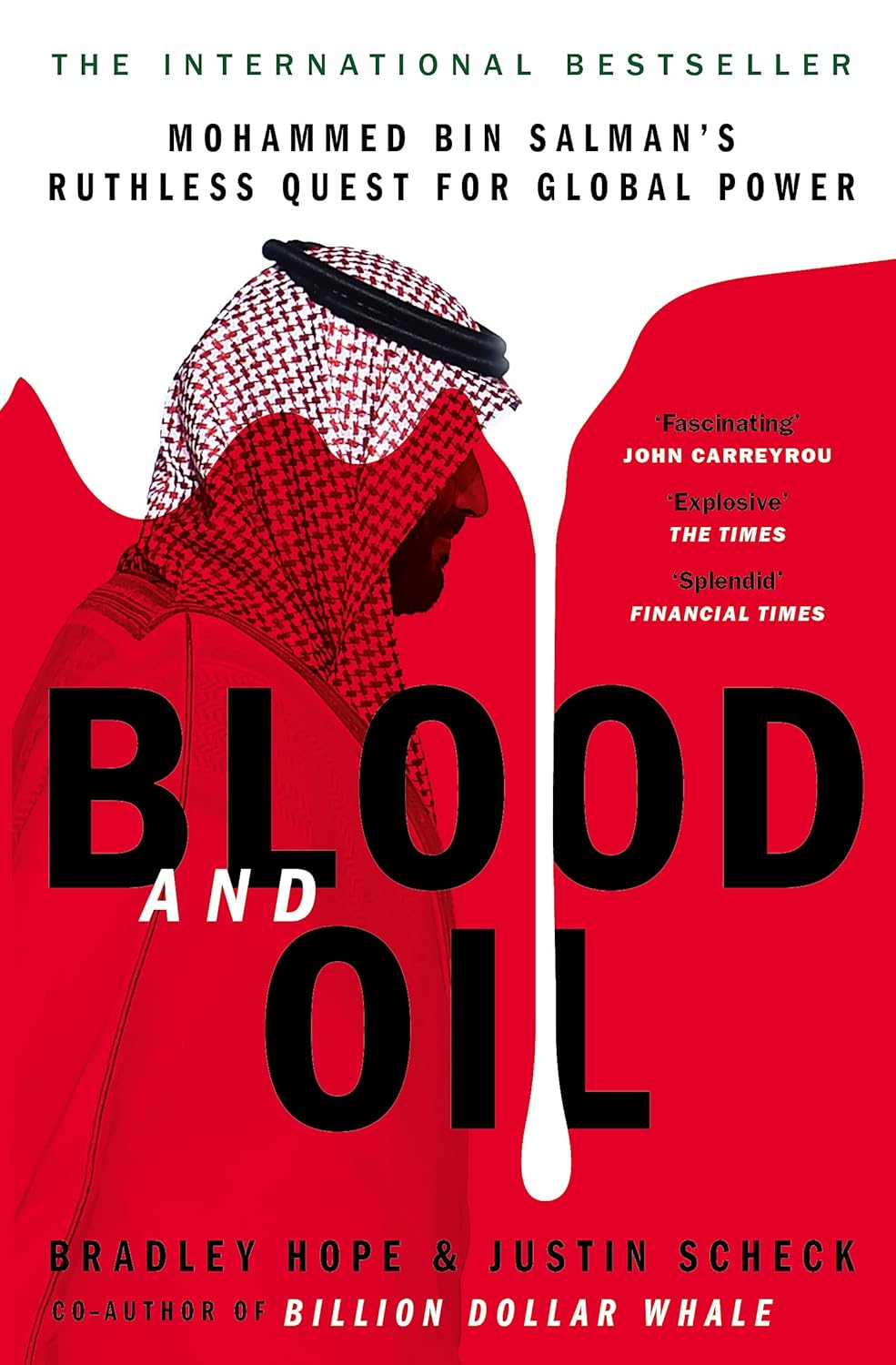
Blood and Oil: Mohammed bin Salman's Ruthless Quest for Global Power
Non-Fiction
BiographyPoliticsInvestigative Journalism
This investigative journalism book chronicles the meteoric rise of Saudi Arabia's Crown Prince Mohammed bin Salman (MBS). It details his consolidation of power through ruthless tactics, economic reforms like Vision 2030, social changes such as allowing women to drive, and controversies including the Khashoggi assassination and the Ritz-Carlton detentions. The narrative explores how MBS upended traditional US-Saudi oil-for-protection dynamics while pursuing global influence.
Middle East
T
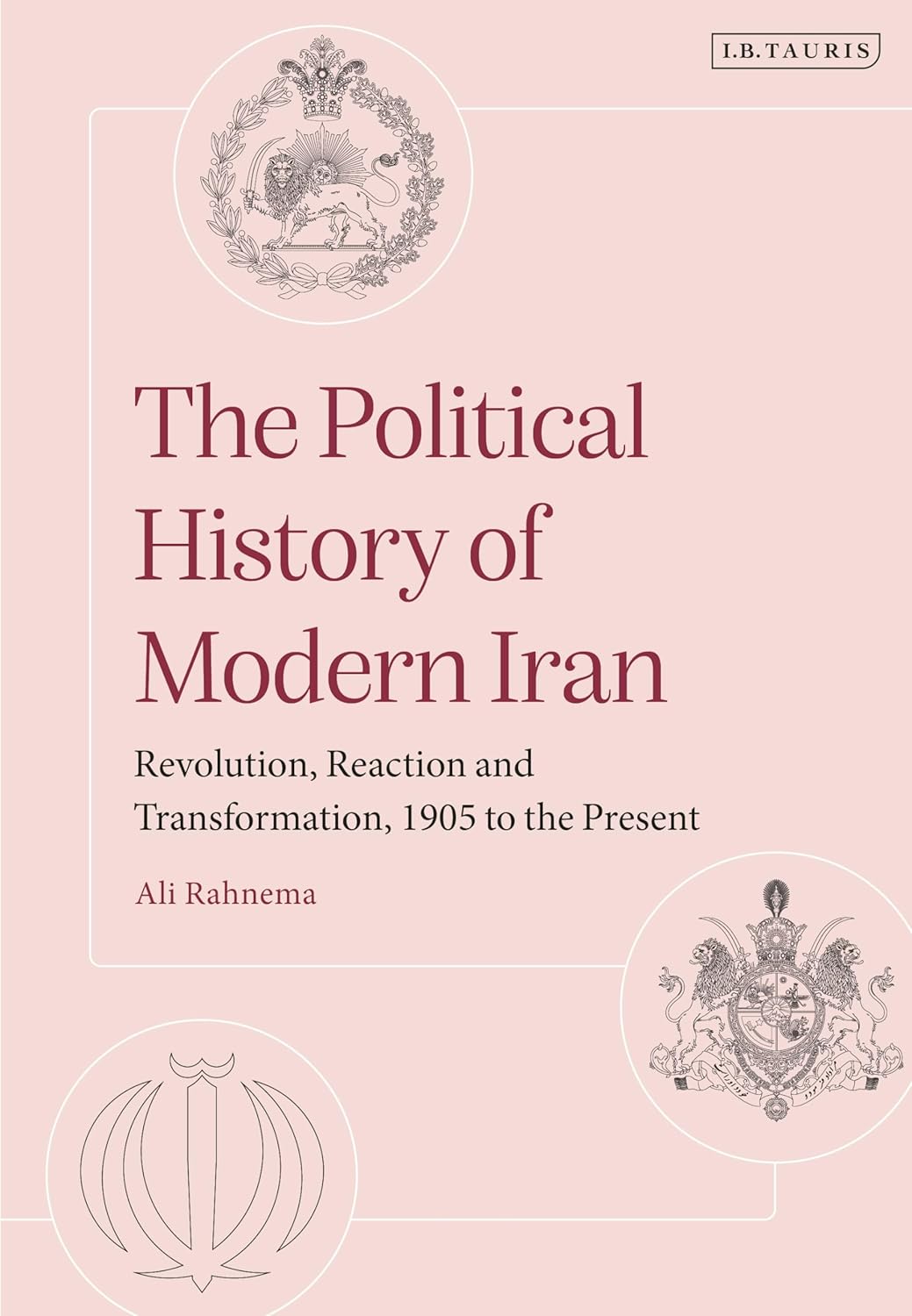
The Political History of Modern Iran: Revolution, Reaction and Transformation, 1905 to the Present
Non-Fiction
HistoryPoliticsMiddle East Studies
This textbook by Ali Rahnema chronicles 100 years of modern Iranian history from 1905, covering constitutionalism under the Qajars, foreign invasions, Pahlavi regimes, oil nationalization, and the Iranian Revolution. It provides chronological episodic chapters with analysis, pedagogical features like images, text boxes, exam questions, glossaries, and a timeline, addressing politics, rights, foreign influence, nationalism, and Shi'i Islam.
Middle East
Q
Qatar and the Gulf Crisis
Non-Fiction
International RelationsMiddle East PoliticsGeopolitics
In 2017, Saudi Arabia, Bahrain, UAE, and Egypt severed ties with Qatar, imposing a blockade and issuing 13 maximalist demands. This scrupulously researched analysis examines the Gulf standoff's geopolitical dynamics, Qatari responses, societal impacts like heightened nationalism, and implications as the 2022 FIFA World Cup approached. Ulrichsen provides an authoritative study from both perspectives, highlighting the crisis's intensity and irrationality.
Middle East, Asia
A
An Era of Darkness: The British Empire in India
Non-Fiction
HistoryColonialismPolitics
Shashi Tharoor's book critically examines the destructive impact of British colonial rule on India from 1600 to 1947. It exposes economic exploitation, destruction of industries like textiles and steel, resource drain to Britain, famines causing millions of deaths, institutionalized racism, divide-and-rule policies, and cultural damage. Tharoor demolishes myths of British benefits such as railways and rule of law, arguing they served colonial interests alone.
Asia
I
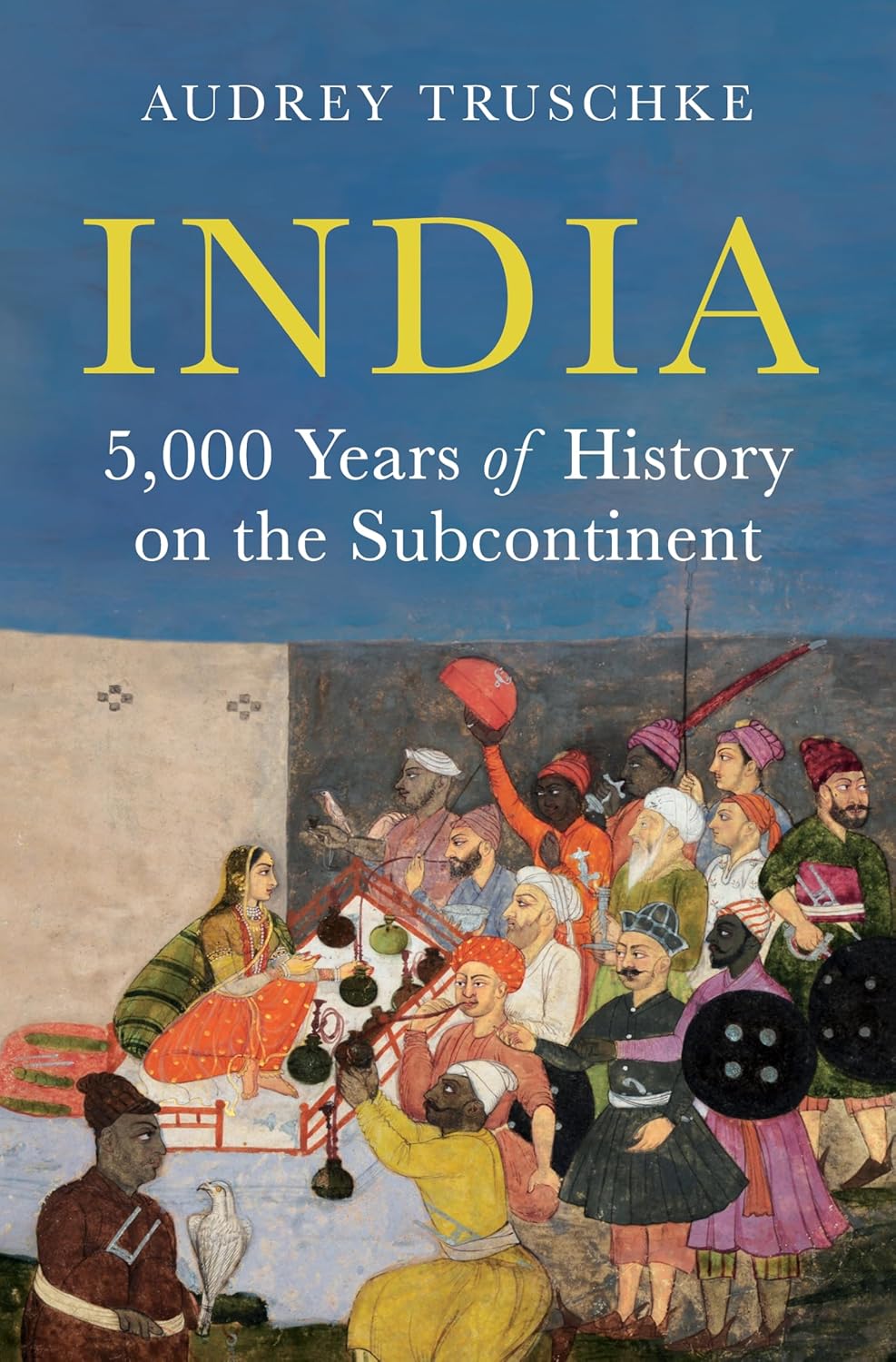
India: 5000 Years of History on the Subcontinent
Non-Fiction
Indian HistorySubcontinental StudiesMarginalized Communities
Audrey Truschke's book offers a sweeping history of the Indian subcontinent from the Indus Valley Civilization to the present day. It emphasizes marginalized voices—women, Dalits, tribal groups, religious and linguistic minorities—challenging mainstream narratives of upper-caste, North Indian, Sanskritic Hindu continuity. Framing India as a collection of competing groups, it covers ancient periods, colonialism, nationalism, Partition, and modern India, synthesizing recent research with accessible prose.
South Asia
I
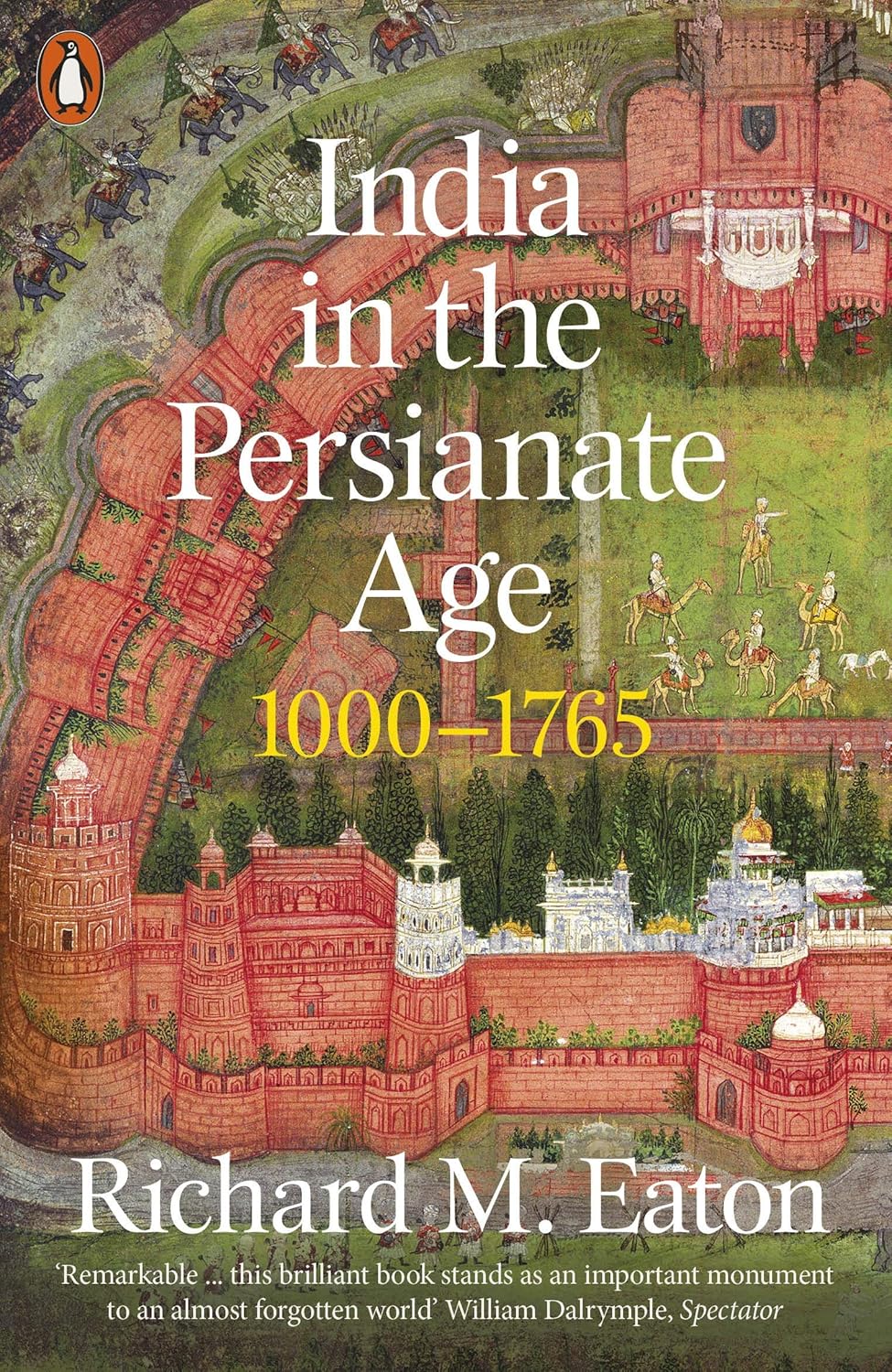
India in the Persianate Age: 1000–1765
Non-Fiction
Indian HistoryPersianate CultureMedieval India
Richard M. Eaton's book chronicles India's history from 1000 to 1765, focusing on the integration of Persianate culture introduced by Afghan dynasties from Iran and Central Asia. It explores the dynamic interaction between this transregional Persianate world—shaping language, cuisine, attire, religion, rulership, warfare, science, art, music, and architecture—and India's flourishing Sanskrit culture. Covering the Delhi Sultanate, Mughal Empire, and regional states, Eaton challenges traditional Hindu-Muslim periodizations, emphasizing cultural synthesis and assimilation.
South Asia
T
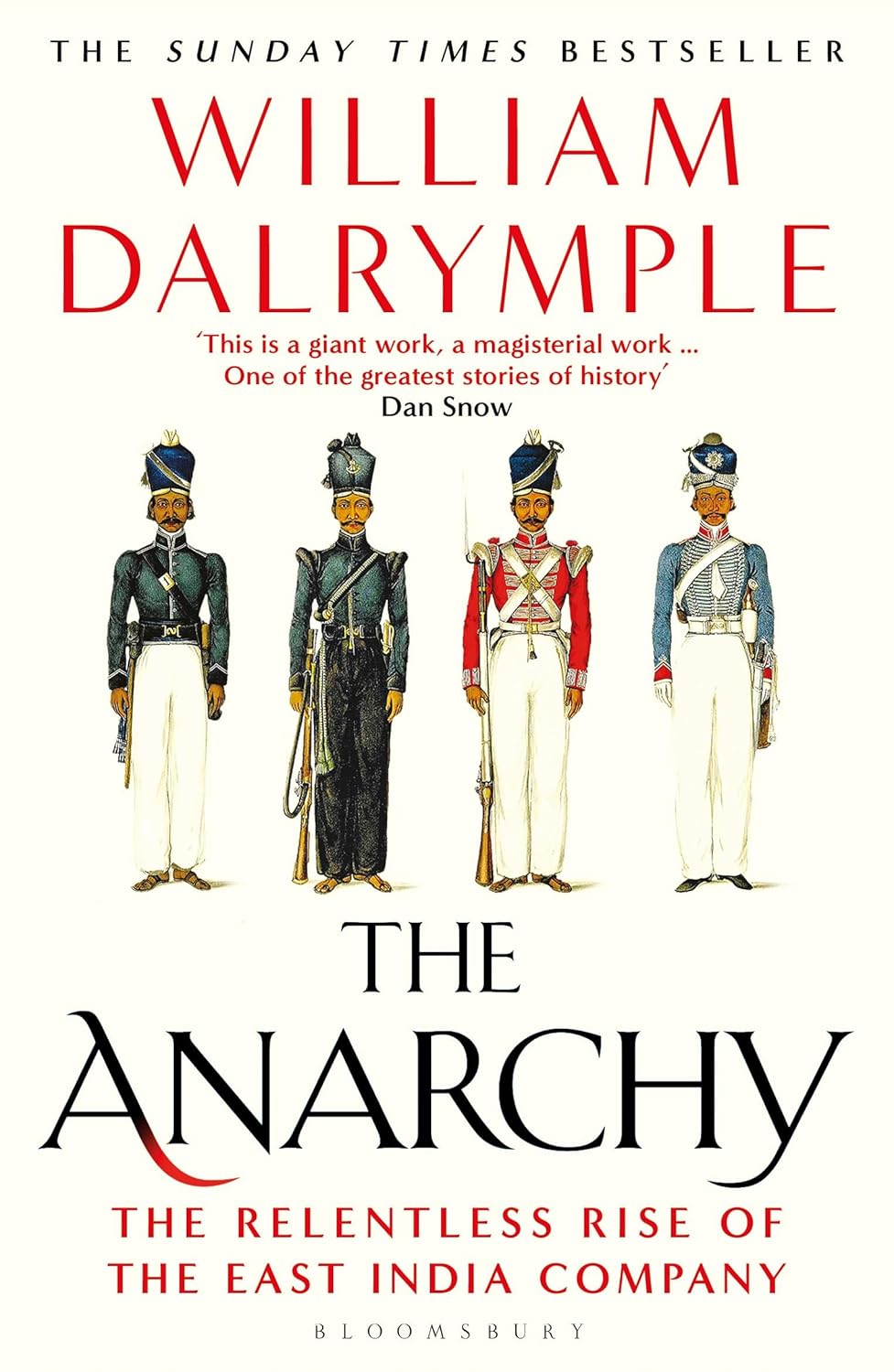
The Anarchy: The Relentless Rise of the East India Company
Non-Fiction
HistoryColonialismEast India Company
The Anarchy chronicles the dramatic rise of the East India Company from a trading entity to a colonial power that conquered much of India. In the 18th century, amid the Mughal Empire's collapse, the Company built a massive private army, defeated local rulers, and governed vast territories from a London boardroom, marking the first instance of corporate rule over a subcontinent.
India, Asia
P
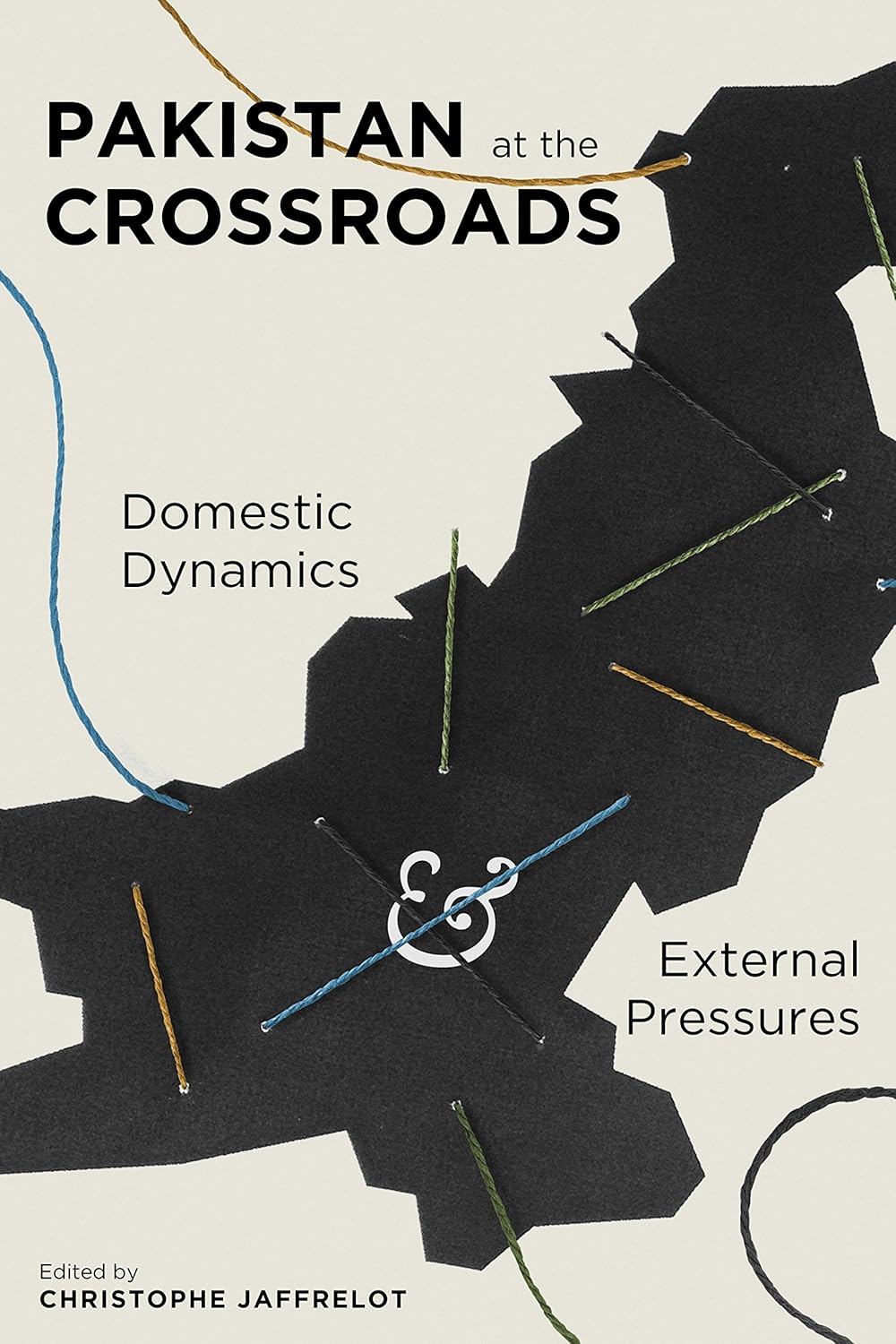
Pakistan at the Crossroads: Domestic Dynamics and External Pressures
Non-Fiction
Politics and GovernmentInternational RelationsHistory
Top international scholars assess Pakistan's politics, economics, and challenges faced by civil and military leaders. Contributors examine internal threats, civil-military tensions, political party strategies, law enforcement reform, judicial activism, border conflicts, economic issues, and diplomatic relations with India, China, Iran, Saudi Arabia, Afghanistan, and the United States.
Asia, South Asia