To-Read List
87 books queued · 5 on your shelf
T
The Israel-Arab Reader: A Documentary History of the Middle East Conflict
Non-Fiction
Middle East ConflictIsraeli-Palestinian RelationsDocumentary History
This book is a comprehensive anthology of primary documents chronicling the Israel-Arab conflict from the Zionist movement's origins through major wars, diplomacy, peace efforts, and recent events like the Gaza withdrawal and Hamas election. It includes speeches, UN resolutions, treaties, and statements from Israelis, Palestinians, Arab leaders, British, Americans, and Soviets, arranged chronologically across pre-Mandate to modern periods.
Middle East, Europe
I
Invisible China: How the Urban-Rural Divide Threatens China's Rise
Non-Fiction
EconomicsEducationSocial Policy
Invisible China examines China's urban-rural divide, highlighting how neglect of rural education and health leaves half the population unskilled for modern jobs. Drawing on fieldwork and data, authors Scott Rozelle and Natalie Hell argue this human capital crisis threatens China's economic rise, as rural youth lack basic skills amid shifting manufacturing demands.
Asia
T

This Is How They Tell Me the World Ends: The Cyberweapons Arms Race
Non-Fiction
CyberwarfareCybersecurityNational Security
Nicole Perlroth's book explores the cyberweapons arms race, detailing the origins, proliferation, and catastrophic risks of state-sponsored cyberattacks. Drawing from interviews with hackers, spies, and experts, it covers high-profile incidents like Stuxnet and WannaCry, revealing how nations like the US, Russia, China, Iran, and North Korea exploit zero-day vulnerabilities in an underground market threatening global stability.
North America, Europe
B
Beijing Rules: How China Weaponized Its Economy to Confront the World
Non-Fiction
PoliticsInternational RelationsEconomics
An acclaimed journalist examines China's two-decade quest for global dominance by weaponizing capitalism. The Chinese Communist Party coopts economic tools like market access, tariffs, disinformation, and private firms for spying to coerce Western institutions into political acquiescence. Through investigative reporting, it reveals how Beijing exploits weaknesses, positions itself as a superpower, and threatens liberal democracy.
Asia, Global
T

The China Record: An Assessment of the People's Republic
Non-Fiction
Chinese PoliticsCommunismContemporary China
The China Record offers an ambitious, detailed examination of the People's Republic of China under Chinese Communist Party rule. As the middle volume of a planned trilogy, it uses quantitative and qualitative data to deliver a balanced yet unflinching assessment of the PRC's nature, performance, and trajectory since 1949.
Asia
G
Great Power Clashes along the Maritime Silk Road: Lessons from History to Shape Current Strategy
Non-Fiction
Maritime HistoryGeopoliticsInternational Relations
An examination of historical great power conflicts along the Maritime Silk Road, drawing lessons from past clashes to inform contemporary geopolitical strategy. The work analyzes the intersection of maritime trade routes, international competition, and strategic power dynamics across regions historically shaped by naval competition and commercial interests.
Asia, Europe
1
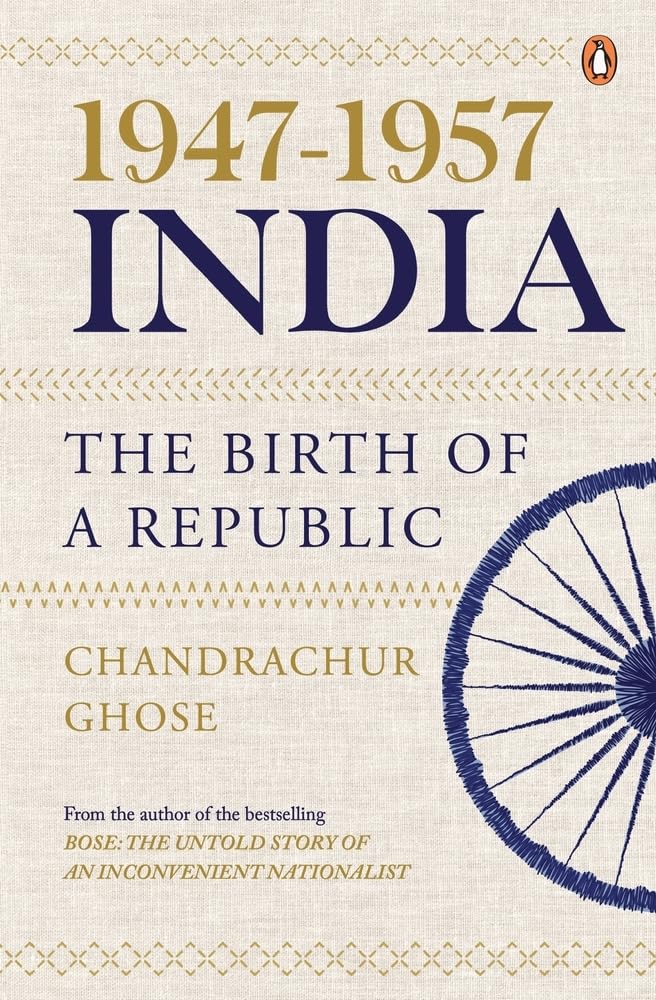
1947-1957, India: The Birth of a Republic
Non-Fiction
Indian HistoryPolitical HistoryPost-Independence India
This book chronicles India's formative first decade after independence (1947-1957), covering the transfer of power from British rule, framing of the Constitution, integration of princely states, and political machinations among leaders like Nehru, Patel, Gandhi, and Jinnah. It explores ideological clashes within Congress, Nehru's domestic and global challenges, opposition consolidation, and the interplay of democratic ideals with power politics that shaped the new republic.
Asia, South Asia
S
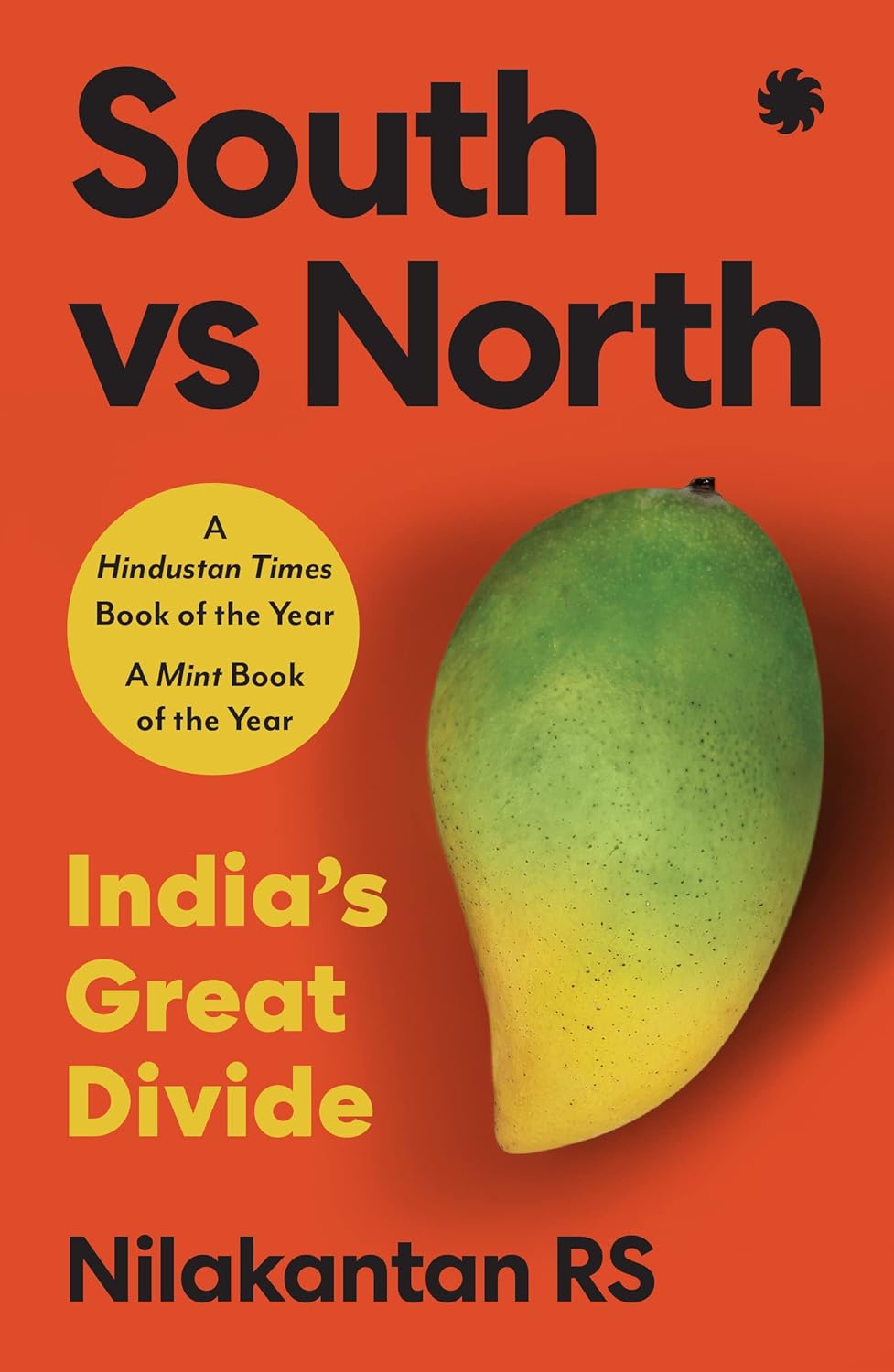
South vs North: India's Great Divide
Non-Fiction
Indian PoliticsRegional EconomicsData Journalism
This book examines India's profound regional divide between the South and North, analyzing economic, social, and political disparities using data-driven insights. It explores why southern states have outperformed northern ones in development metrics, attributing differences to governance, education, and historical factors, while offering perspectives on national unity and policy reforms.
Asia
I
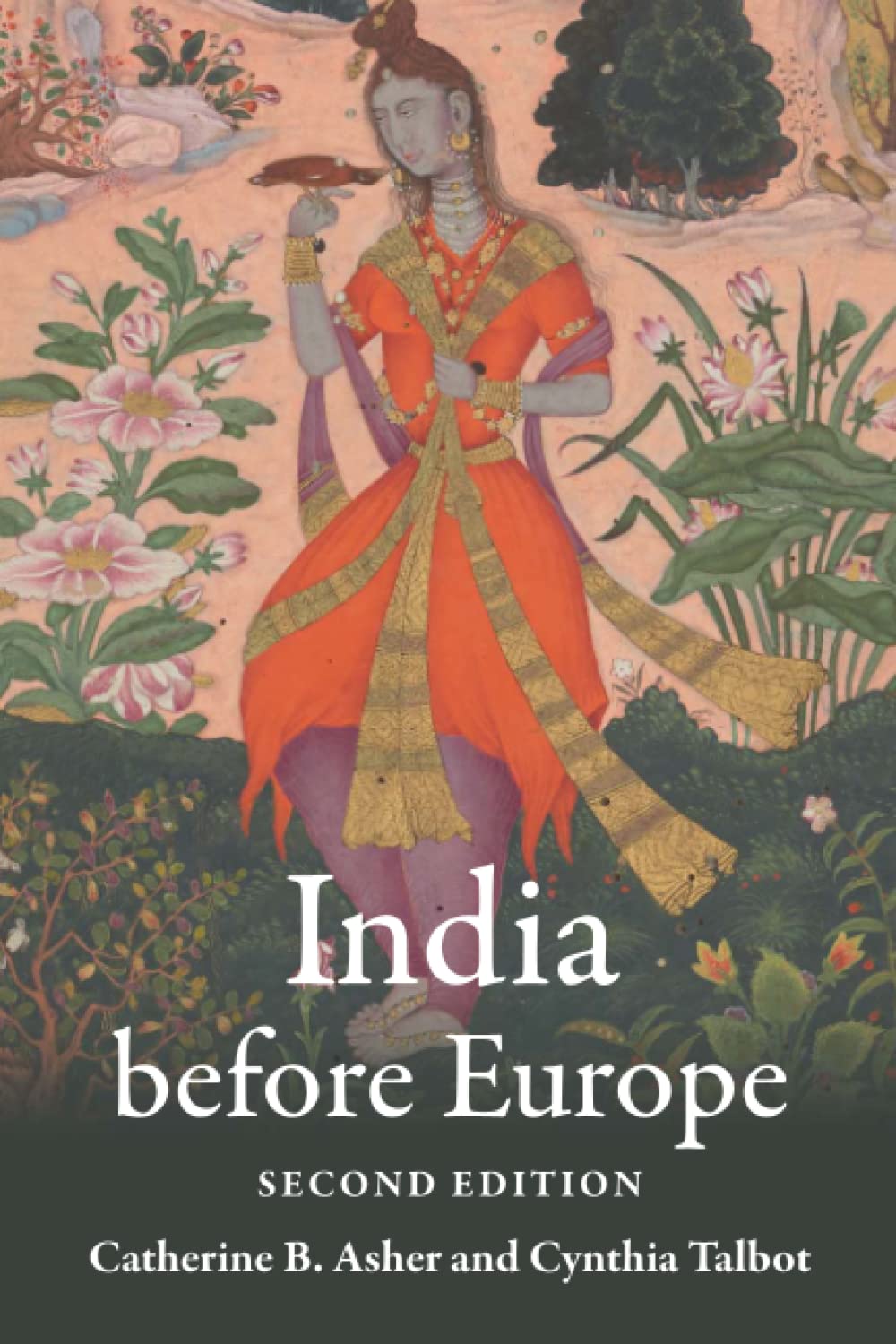
India Before Europe
Non-Fiction
Medieval HistoryCultural StudiesIndian History
A comprehensive survey of medieval India from 1200 to 1750, examining the political, economic, religious, and cultural landscapes before European intervention. The book explores the synthesis of Islamic and Hindu cultures, from the Delhi Sultanate through the Mughal era, highlighting cross-cultural influences in food, clothing, architecture, and religious practices.
South Asia, Central Asia
B
Black Garden: Armenia and Azerbaijan Through Peace and War
Non-Fiction
Nagorno-Karabakh ConflictArmenian-Azerbaijani RelationsPost-Soviet History
Black Garden is a definitive study of the Nagorno-Karabakh conflict between Armenia and Azerbaijan, two former Soviet republics. Blending history, on-the-ground interviews from over 120 people, and political analysis, it traces the conflict's origins in 1988, its escalation during the First Nagorno-Karabakh War, and the unresolved aftermath. The book explores how historical prejudices, Soviet policies, and failed international efforts perpetuated a state of no war, no peace in the South Caucasus.
South Caucasus, Europe
B
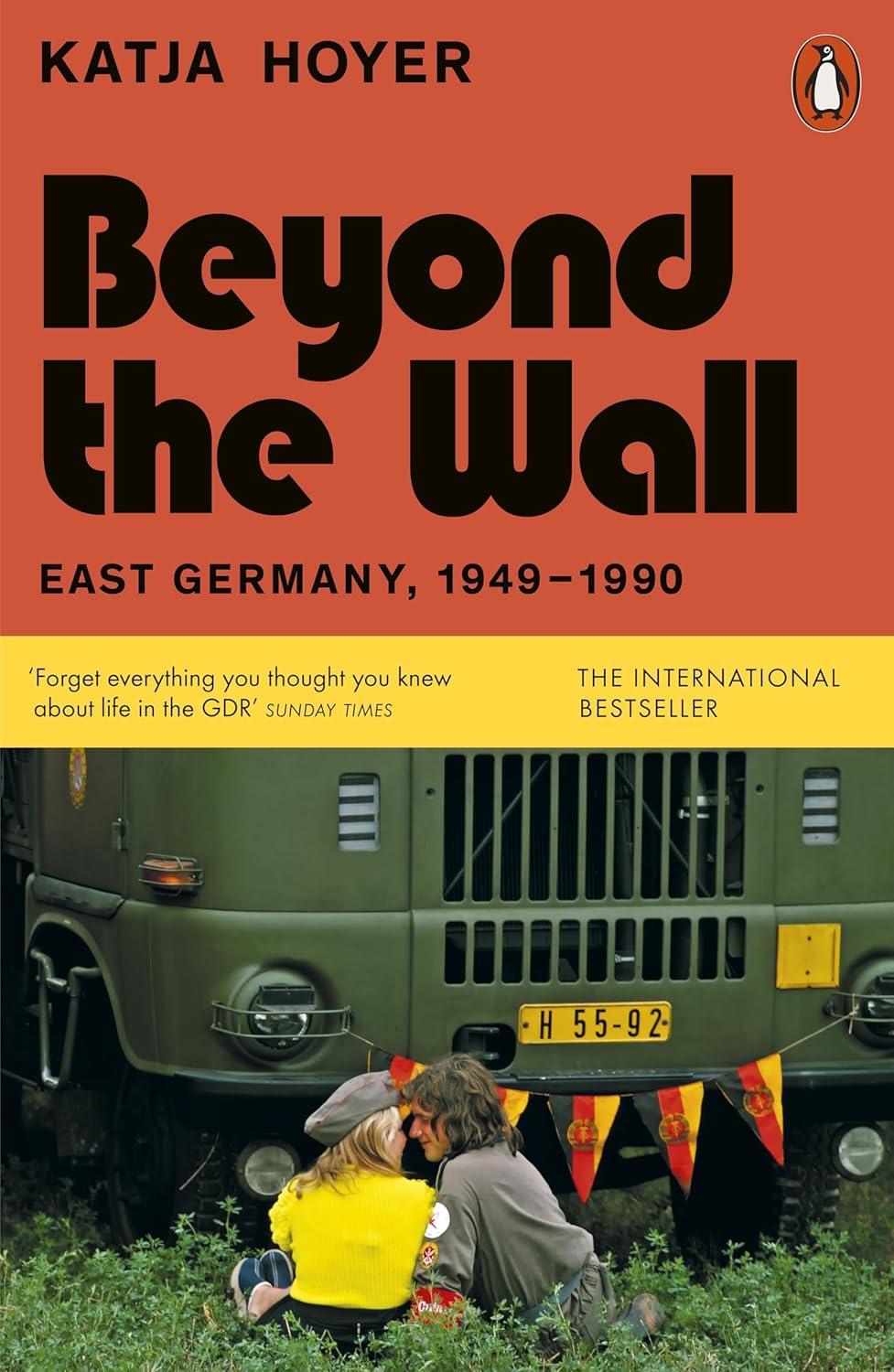
Beyond the Wall: East Germany, 1949–1990
Non-Fiction
HistoryEast GermanyCold War
In Beyond the Wall, historian Katja Hoyer offers a nuanced history of East Germany from 1949 to 1990, challenging Cold War stereotypes. Drawing on unprecedented interviews, letters, and records, she traces the GDR's formation amid postwar ruins, its ideological tensions under Soviet influence, the Berlin Wall era, periods of prosperity and repression, and its sudden collapse. The book reveals a dynamic political, social, and cultural landscape despite oppression and hardship.
Europe
S

Six Days of War: June 1967 and the Making of the Modern Middle East
Non-Fiction
HistoryMilitaryMiddle East
Michael B. Oren's comprehensive history chronicles the 1967 Six-Day War between Israel and Arab neighbors. Drawing on top-secret documents, rare papers, and interviews, it details the regional and Cold War context, escalation from unintended crises, day-by-day battles, and profound aftermath shaping the modern Middle East, including Yom Kippur War and intifada.
Middle East